Summary
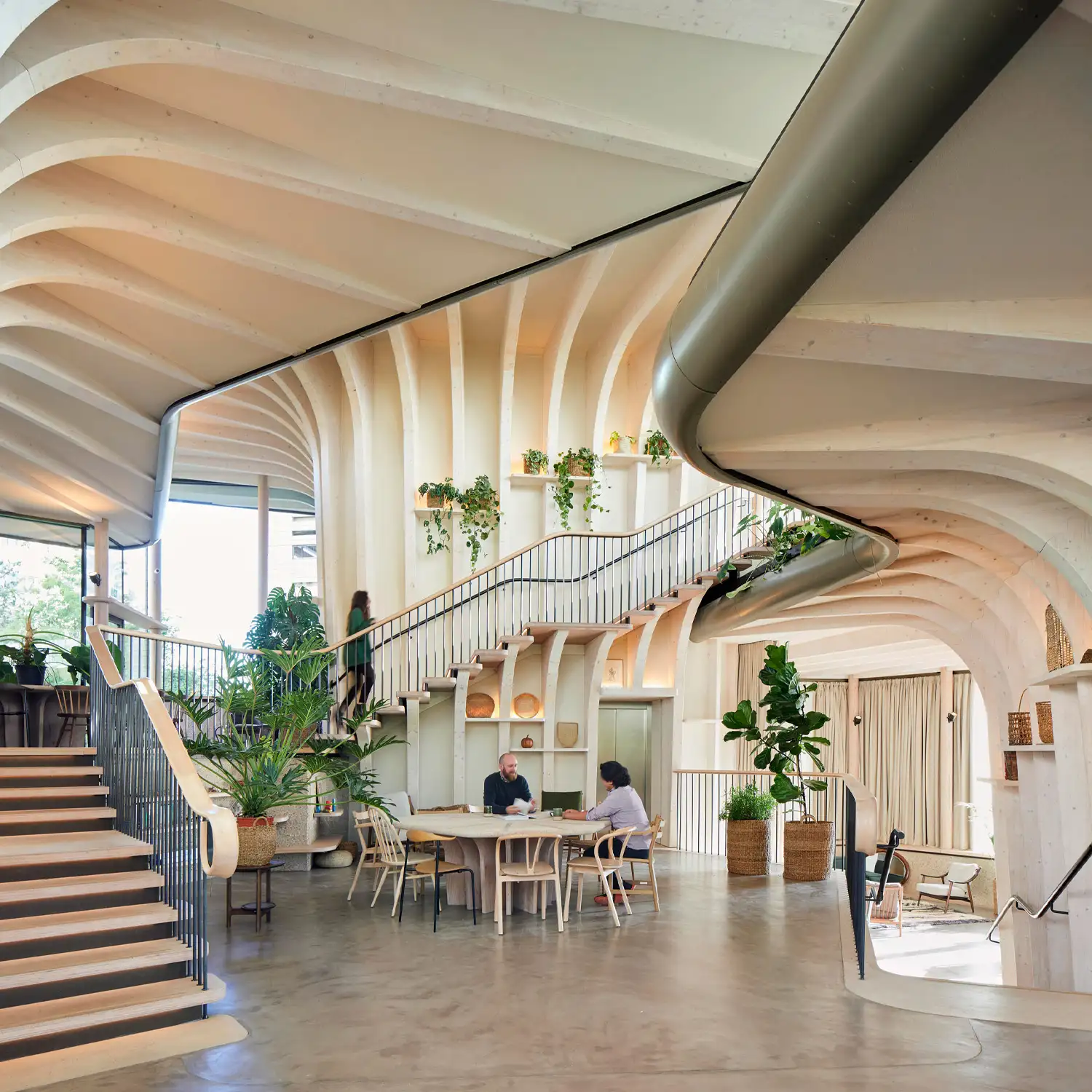
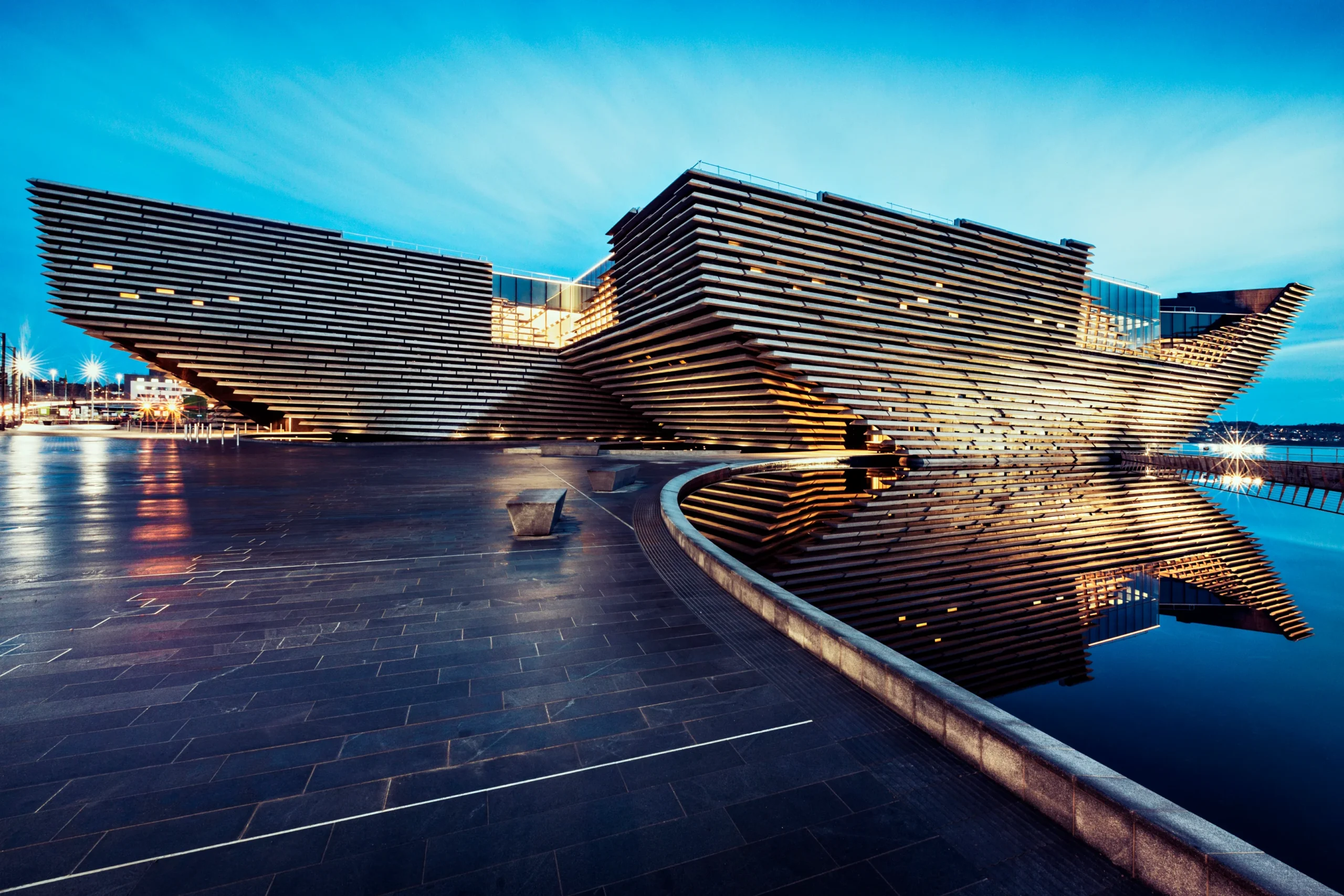
This blog explores the relationship between architecture and psychology. It introduces the idea that the spaces around us are not passive backgrounds, but active influences on our emotions, habits, identity, and well-being. Through psychological research, personal reflection, and the example of Maggie’s Yorkshire by Heatherwick Studio, this piece asks how architecture can help people feel more grounded, connected, and alive.
The Quiet Influence of Space
We often think of architecture as something outside of us: walls, windows, furniture, streets, materials, and buildings. But the spaces around us are not separate from who we are and should not be considered just a background to our lives. They shape how we move, how we feel, how we think, and how we relate to others.
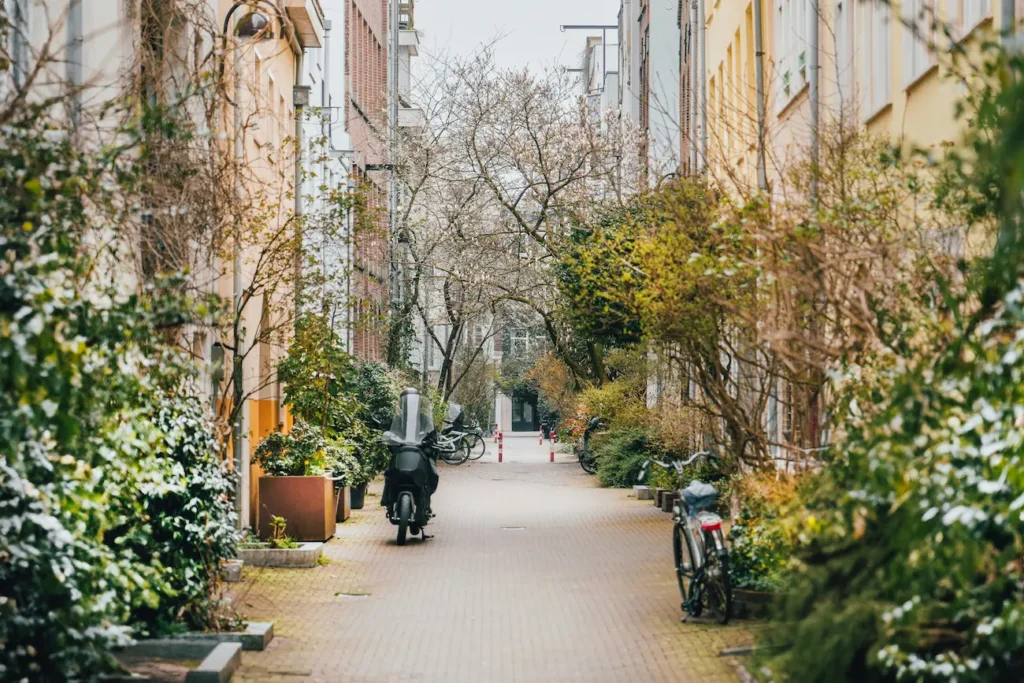
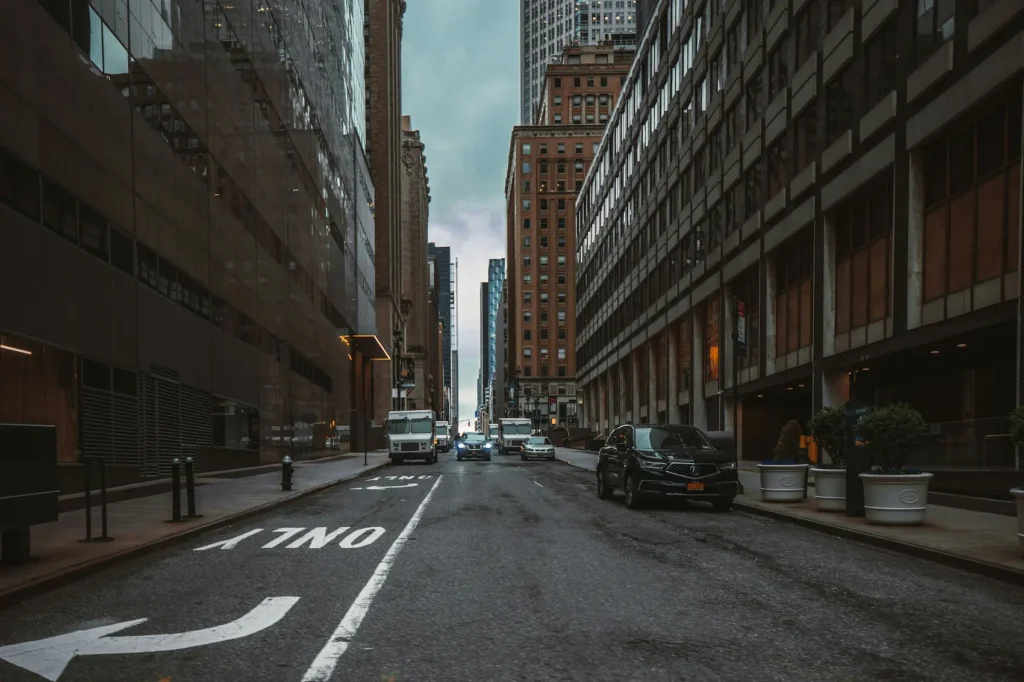
A dark and solid room can make us feel cold and heavy, while a window facing trees can help us open up and breathe more deeply. A cluttered desk can make our thoughts feel scattered, whereas a warm, clear living area can help foster activity and movement. On a larger scale, a city street filled with trash, blank walls, and no greenery can quietly teach people to feel disconnected from the place and even other people.
These things may seem small, but over time, they become part of daily life. And daily life becomes part of who we are.
Architecture and Psychology Belong Together
Architecture is not only about making buildings stand. It is also about creating environments for human life. Psychology helps us understand that people are shaped by their surroundings through emotion, memory, attention, comfort, stress, and social connection.
In the article “Where am I? Who am I?”, Proulx et al. (2016) explain that spatial cognition, how we understand and move through space, is connected to social cognition and our sense of self. In simple terms, the way we experience “where I am” can influence the way we understand “who I am.”
This idea is profoundly important for architecture. A building is not just a container for human activity. It can support confidence, peace, belonging, and curiosity. Or it can create confusion, isolation, stress, and discomfort.
This is why architects should design with psychology in mind. Space, color, furniture placement, material, lighting, sound, views, circulation, and access to nature are not just aesthetic decisions. They are human decisions.
When Space Works Against Us
Many modern environments are designed for speed, efficiency, and profit before they are designed for people. We see gray cities, blocked buildings, artificial lighting, sealed interiors, trashed streets, and homes that are technically functional but emotionally empty.
When we ignore the psychological effect of these spaces, we begin to accept them as normal. But they are not neutral. A poorly designed environment can make people feel rushed, unseen, disconnected, or powerless.
This does not mean every building must be expensive or perfect. It means that design should begin with care. Does this space help people feel safe? Does it invite connection? Does it allow rest? Does it provide beauty? Does it respect nature, memory, and human dignity?
These questions should be central to architecture.
Designing Our Personal Everyday Spaces
This idea does not only apply to architects. Each of us can become more aware of how our own environments shape us.
Our bedroom, work desk, kitchen, garden, or small corner of a room can either support or resist the person we are trying to become. A space for focus should help the mind feel clear. A space for rest should help the body soften. A space for gathering should make people feel welcome. A space for growth should remind us of what we value.
Sometimes this can be simple: placing a desk near natural light, keeping meaningful objects nearby where they can be seen and remembered, bringing in plants, choosing warmer and natural materials, reducing clutter, or creating a small ritual space for reading, prayer, tea, art, or reflection.
Design is not only decoration. It is a way of shaping our daily behavior and reminding us of our values.
Toward a More Human Future
At Shizen Studio, we believe that the future of architecture should be more peaceful, more natural, and more connected to human well-being. We believe that beauty matters, not as luxury, but as nourishment. We believe that culture, memory, nature, and psychology should all have a place in design.
The spaces around us influence who we become. If we live in environments that ignore nature, community, culture, and the human spirit, we may slowly become disconnected from those things. But if we create spaces that welcome care, reflection, belonging, and growth, we give ourselves a better chance to reclaim our authentic selves.
Architecture cannot solve every human problem. But it can shape the conditions of daily life.
And daily life is where we become who we are.
References
Proulx, M. J., Todorov, O. S., Taylor Aiken, A., & de Sousa, A. A. (2016). “Where am I? Who am I? The relation between spatial cognition, social cognition, and individual differences in the built environment.” Frontiers in Psychology.